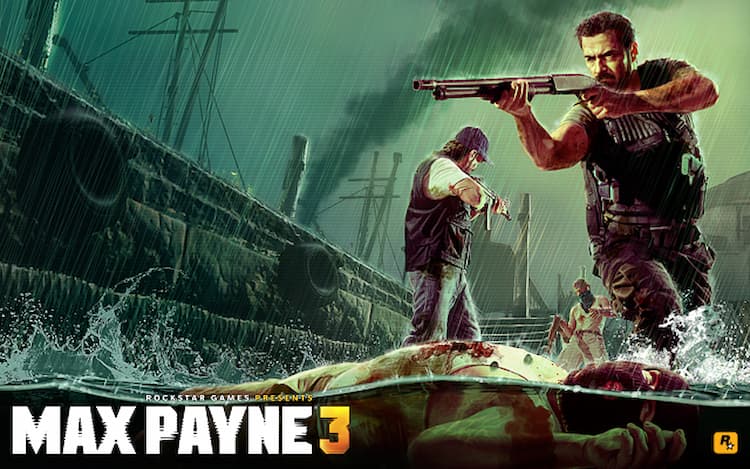
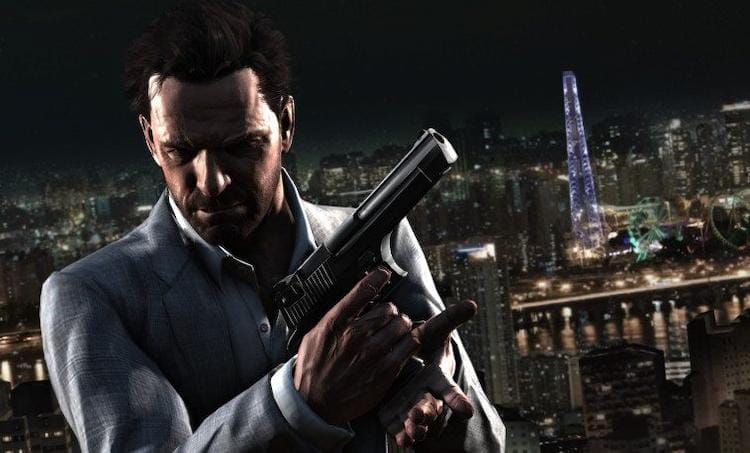
The Max Payne franchise was one of the reasons I fell in love with video games in the first place, inspiring my passion for creative writing and storytelling. Like many other people, this franchise made me realise that games can be a medium that creates stories rivaling those of films, books, and television. Max Payne 3 stands out to me from most games released in the last 15-20 years for its intense story and perfect gameplay. While the third entry received mixed reviews from fans at the time of its release, most people have since come to look back on this game fondly, finally giving it the praise it deserves. I’m not here to claim that Max Payne 3 is better than the first two, but rather to highlight its impact on me and how its relevance today offers lessons for modern games.
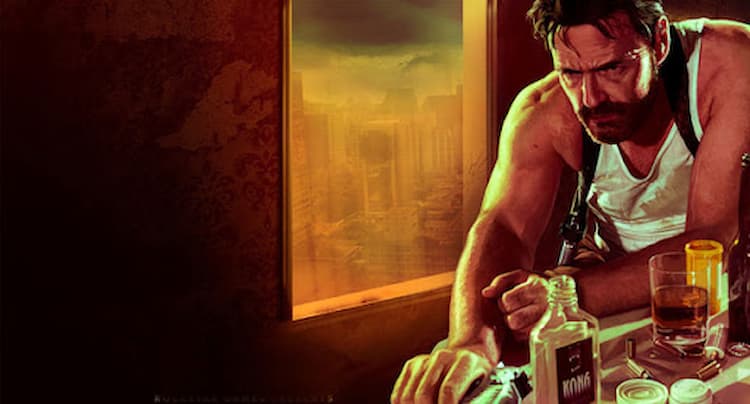
What makes this story so great, then? Simply put, Max is a broken, drunk mess, living in a dingy old apartment, holding onto the memories of his deceased family while working as a hired gun for a wealthy Brazilian family. All of this while exploring how Max got into that position, swapping between Max’s grim present in Brazil and flashbacks to his past in New Jersey, sitting in bars all day. Depressing, I know, but it's a juxtaposition from the traditional all-good-doing hero that makes this story so engaging to play through.
Max is vulnerable and is constantly doubting himself, with his internal monologues always playing. He’s no longer fighting druglords and dry cleaners, but instead what feels like the entirety of Brazil and New Jersey. With a cartel, crooked cops, a paramilitary group, and even New Jersey greasers. The game offers diverse scenery, from the slums of Brazil to the snowy streets of Hoboken, New Jersey. These flashback sequences happen at the perfect time; they don’t interrupt the flow of the story, but instead provide just enough exposition to keep the player engaged.
This game places you into the mind of Max Payne, with these green distorted filter effects placed throughout, simulating his fractured mental state as a result of his grief and addiction to alcohol and painkillers. It delves into heavy themes of survivors' guilt, self-punishment, and being unable to let go. Max doesn’t pretend to be anyone he’s not; he simply tries his best in the situations he finds himself in. This is why Max Payne 3’s story resonates with me the most out of the three games, as it captures grief and self-doubt in a way that’s relatable and unforgettable. All of the lines of dialogue read like poetry, and I often find myself thinking about them almost daily; that’s how strong the narrative is. As quotable as this game is, I believe this specific quote sums up Max the best: "The way I see it, there's two types of people, those who spend their lives trying to build a future and those who spend their lives trying to rebuild the past. For too long, I’d been stuck in between." Most of the emotional weight wouldn’t land if it weren’t for James McCaffrey’s performance, delivering the perfect amount of grit through a grim, almost poetic tone.
Max, as a character, felt more dynamic this time around, with the game allowing him to show a wider range of emotions, though shedding some of the noir elements of the first two games. Max isn’t a hardboiled cop anymore; he’s a man drowning in grief and guilt, desperately trying to find some meaning in his life. This is Rockstar’s writing shining through, but without McCaffrey giving arguably his best performance in the series, I don’t believe this game would be as special.
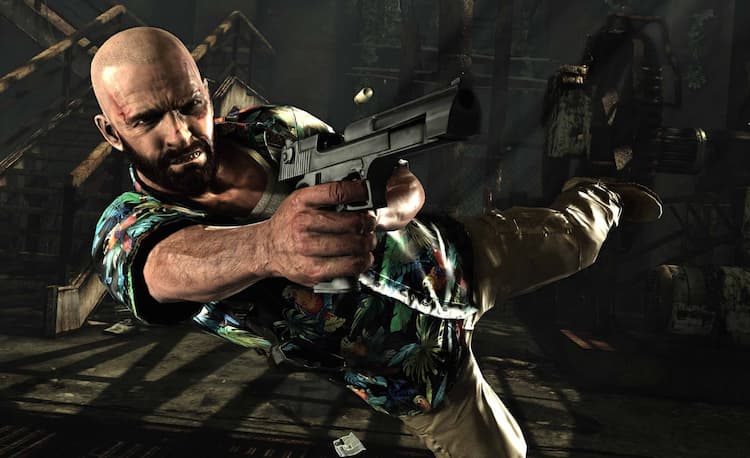
Max Payne 3’s gameplay reflects the character’s exhaustion while acknowledging his past as a precision shooter. Max’s endless arsenal has been replaced with a limited carry capacity: he can now only carry two sidearms and one long weapon, but must drop the long weapon to dual-wield. This system leads the player to think more strategically about how they want to approach their next gunfight, something that wasn’t needed in the previous entries. This limited capacity also reflects Max’s advancing age, with him no longer being as much of a one-man army as he used to be. But what’s a Max Payne game without bullet dodge? Bullet dodge in Max Payne 3 feels the best it’s ever been, with Max having a real weight when he jumps. You can see him struggle slightly when he jumps, further enhancing the immersion. It’s these little details that make this game as great as it is.
People seem to forget that this game was written and developed by Rockstar Games with little input from Remedy. With Grand Theft Auto 6 coming out in (hopefully) November of this year, players are speculating if Rockstar will implement any of the gameplay mechanics from their previous games. My hope is that they will add the shooting mechanics from Max Payne 3, as it is still some of the smoothest gameplay I have ever played. I’ve always found the shooting in GTA games a bit clunky, but in Max Payne and the Red Dead Redemption games, it feels more responsive, with each bullet carrying more weight. Either way, GTA 6 will be monumental, and there’s no doubt in my mind it’s going to be anything short of mindblowing. However, I’m still interested in whether Rockstar will take any notes from Max Payne 3, as you could argue RDR2 borrowed the limited carry capacity, which could be making a return in GTA 6.
In my mind, Max Payne 3 is a masterclass in character-driven storytelling and is often underappreciated in the mainstream gaming scene. It offers lessons that modern games today can learn from regarding its story, voice acting, and gameplay. Revisiting this game is always a blast, and I sometimes even forget how amazing it is. Max Payne 3 is a reminder that some of the most impactful stories come from characters who are flawed and vulnerable rather than power fantasies, allowing players to connect with the characters on a deeper level.
Hey fellow nerds! Before you dive back into that gaming session or start your next binge-watch, here’s the deal with Couch Soup: we’re a completely independent pop culture site run by genuine fans who get just as hyped as you do about the latest games, comics, movies, and TV shows. No corporate overlords, no AI-generated content, just real people who know their Metroid from their Mass Effect.
Unlike the big corporate sites, we don’t chase clicks or stir up drama. Sure, we might have some hot takes (looking at you, controversial season finale), but they come from a place of genuine passion and respect for the creators and fandoms we cover.
Want to support what we do and join what we think is the coolest community of pop culture enthusiasts on the internet? Check out our supporter tiers – each packed with perks that’ll level up your fandom experience. Every contribution helps keep us independent and lets us keep nerding out with you!
Thanks for being part of our quest – now, back to our regularly scheduled geekery!
Jason Momoa as Lobo in the new Supergirl movie has been revealed! It's gonna be interesting, for sure, to see if they explain away the alternate universe Aquaman of it all...
Hey, I loved Sinners. It was great. And I'm not being a hater here, but 16 seems a little excessive, right? Is this more because it qualifies for so many awards rather being the most exceptional at all of them? If Golden doesn't win Best Original Song, we riot.
I mean, I know people were looking forward to this one but, honestly, I wouldn't want to see it come out really bad. Feel sorry for the other projects also cancelled at Ubi this week.
Max Payne is a masterclass in character driven storytelling and I believe is a work of art. Its relevance today offers lessons that future titles can borrow.
No matter how many weird bugs there were with the gameplay, Pokemon fans were treated to three unique stories in Scarlet and Violet. We love our team of pocket monsters, but which ones from Scarlet stood out the most? Check out Erika’s top 10 list here!